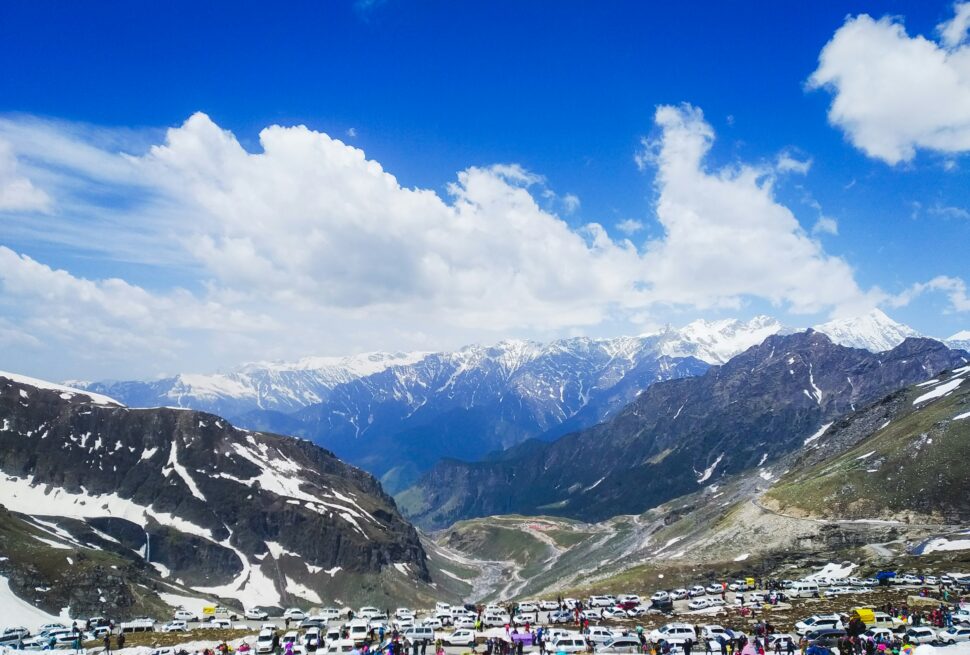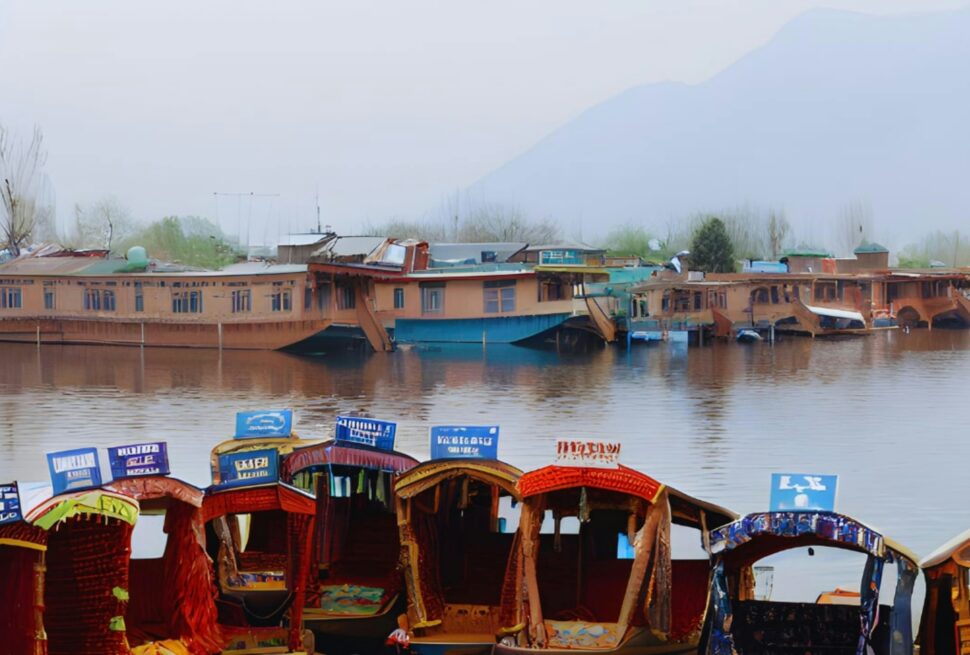
The style guide provides you with a blueprint of Paperback’s default post and page styles. The style guide is also a great reference for suggested typographic treatment and styles for your content.
Why Winter is the Best Time to Visit Spiti Valley
While Spiti’s landscapes are breathtaking in every season, winter offers an entirely different experience. As the cold sets in, the valley is blanketed in a layer of shimmering snow, creating a quiet, almost otherworldly ambiance. In fact, unlike the bustling summer months, when tourists swarm the popular spots, the winter months allow you to truly soak in Spiti’s natural beauty—without the crowds.
Additionally, winter is when Spiti shows off its most pristine form. The frozen lakes, isolated villages, and ancient monasteries seem like scenes from a postcard, waiting for you to explore.

Top Winter Experiences in Spiti Valley
If you’re wondering what there is to do in Spiti during winter, fear not! There’s plenty to experience, from awe-inspiring sights to thrilling adventures. Here are some must-do activities:
- Marvel at Key Monastery
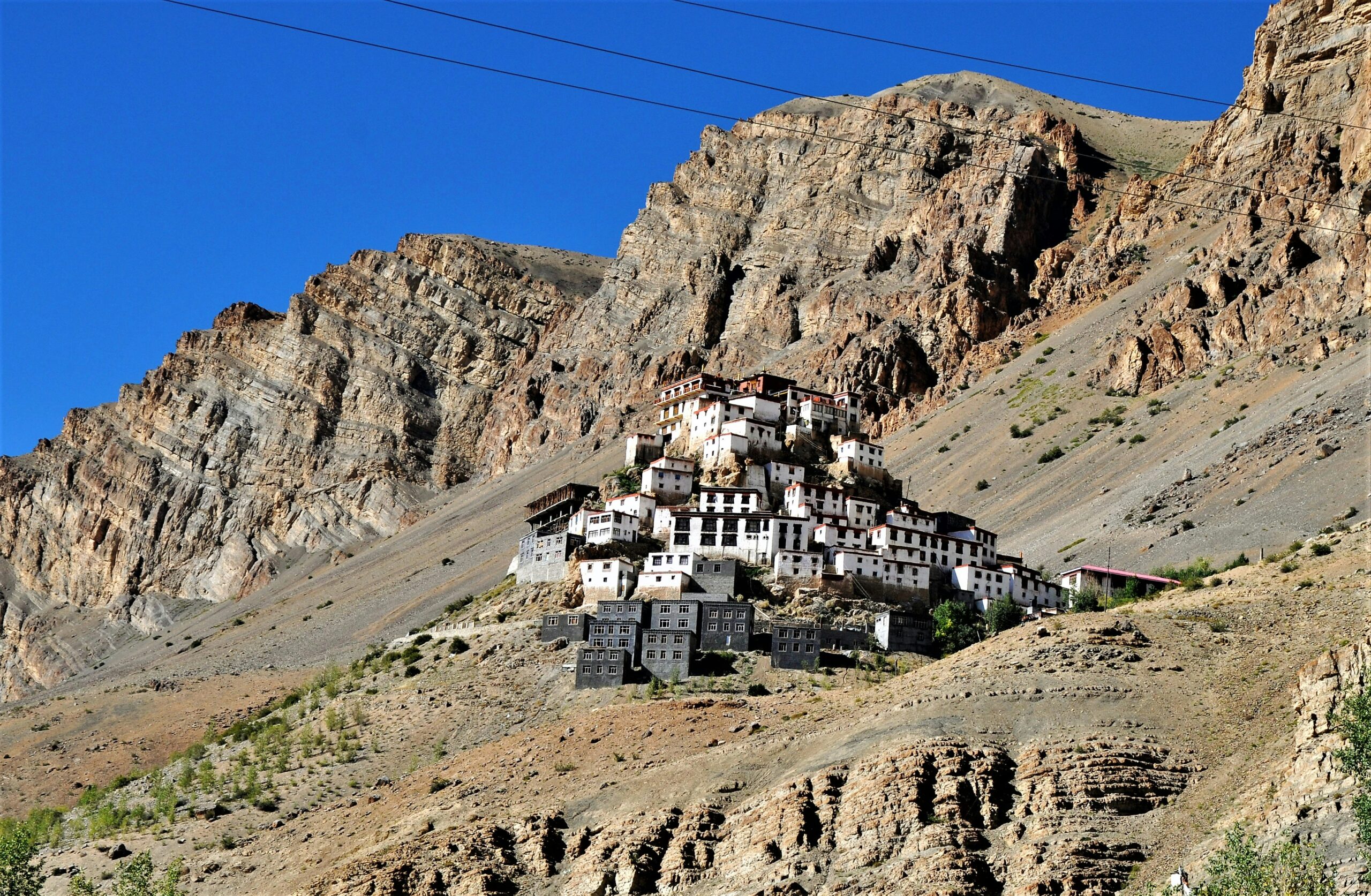
For starters, visiting the Key Monastery during winter is an unforgettable experience. Perched on a hilltop, this ancient monastery is covered in snow during the winter months, creating a mystical aura. Inside, you can observe the monks as they go about their routines, offering a peaceful atmosphere that feels far removed from the hustle and bustle of modern life.
- Trek to the Frozen Chandratal Lake
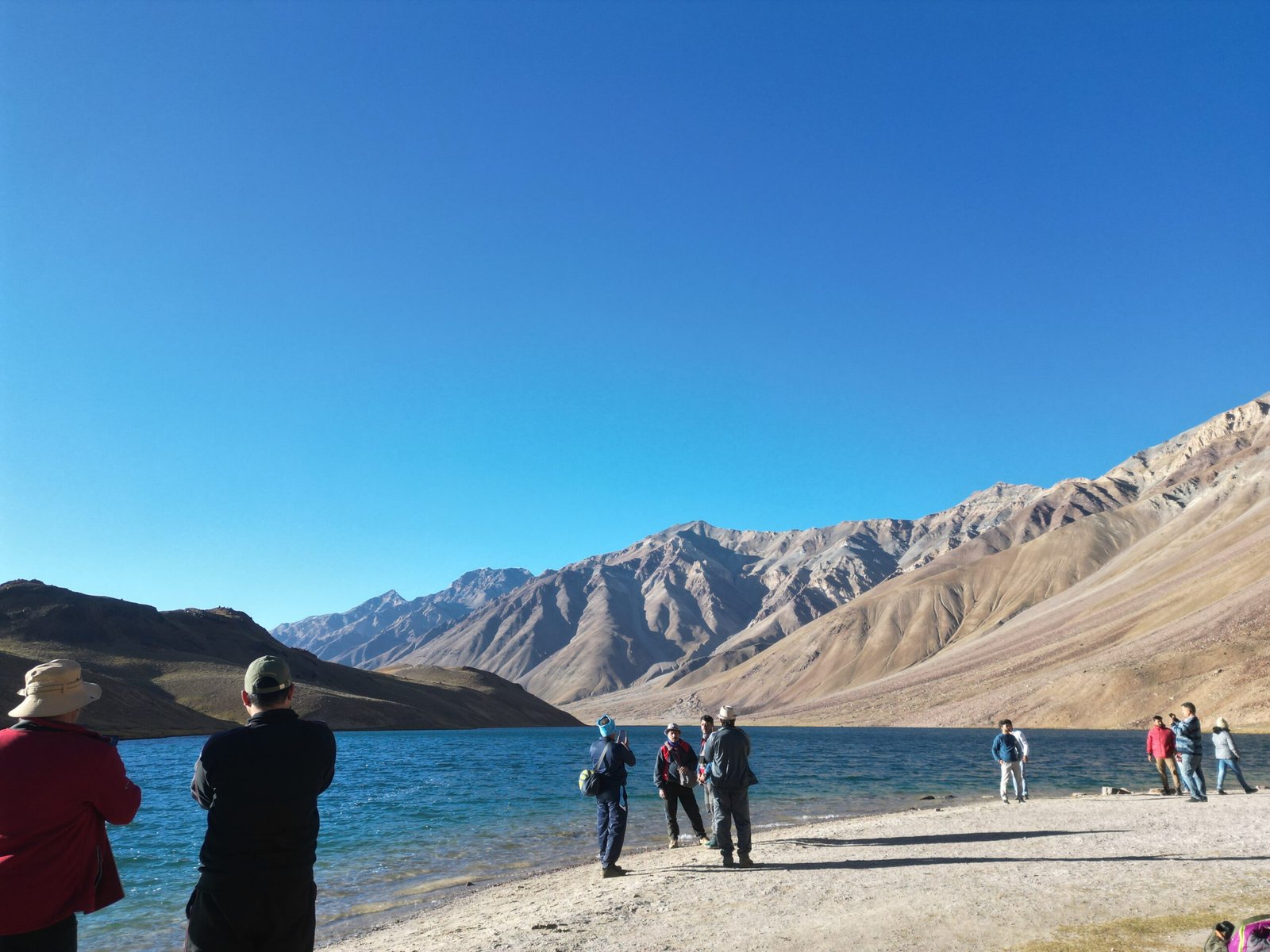
Additionally, Chandratal Lake, known for its striking blue waters in summer, transforms into a frozen wonder in winter. While reaching the lake during this season is no easy feat, those who do make the journey are rewarded with stunning views of a frozen landscape. The serenity of the snow-covered lake, surrounded by towering peaks, makes it well worth the effort.

- Search for the Elusive Snow Leopard
One of the most thrilling activities in Spiti during winter is the opportunity to spot the elusive snow leopard. Often referred to as the “ghost of the mountains,” this majestic animal is native to the region, and winter is prime time to catch a glimpse of it. Guided treks through the Pin Valley National Park increase your chances of spotting not only the snow leopard but also other wildlife like the Himalayan blue sheep.
The name “Spiti” means “The Middle Land,” which it actually is, because it is in fact the land between Tibet and India. And because of this very reason, it possesses a unique combination of both Indian and Tibetan cultures. A distinct lifestyle derived primarily from Hindu and Buddhist beliefs, gelled so well that it’s hard to tell them apart.
Shimla vs Manali Route for Spiti Valley: Which Is Better?
If you’re planning a Spiti Valley road trip, the biggest decision is choosing your route — via Shimla or via Manali.
Shimla route (Delhi–Shimla–Kalpa–Nako–Tabo–Kaza) is the safer and smarter option for most travellers.
The altitude gain is gradual, which helps with acclimatisation and reduces the risk of AMS. Road conditions are mostly stable, and this route remains open for a longer duration each year. If this is your first Spiti Valley trip, or you’re travelling solo or with family, start from Shimla.
Manali route (Delhi–Manali–Rohtang–Gramphoo–Kunzum–Kaza) is shorter but far more challenging. The climb to Kunzum Pass (4,551 m) happens quickly, and the stretch from Gramphoo to Batal includes broken roads, gravel, and water crossings. The Manali to Kaza road condition is still rough in parts and usually remains open only between June and October. This route is better suited for experienced riders and adventure-focused travellers.
For a complete Spiti Valley itinerary, the ideal plan is simple:
Enter via Shimla for gradual acclimatisation and exit via Manali for dramatic landscapes.
If choosing only one route, Shimla is safer. Manali is tougher — but more thrilling
Best Time to Visit Spiti Valley
This definitely is the first question that comes to mind when you think of planning a trip. Choosing the right time to go, in my opinion, is of utmost importance, both in terms of convenience and sightseeing.
Spiti Valley is open by road for all 12 months. When to go to Spiti will really depend on what your preference is, but the majority of the tourism happens in the months from June to September.
This is the time when both the routes from Shimla and Manali remain open. Take a look at the article below for more details on what you can expect in which month, and which would suit you the most.
Is a Permit Required for Spiti Valley
Permits for Spiti Valley remain a topic of confusion, really. Take a look at the articles below, and these should help clarify any doubts. In a nutshell, as an Indian citizen, you do not need a permit for Spiti Valley. You are free to travel on the circuit at any time of the year.
As a foreign national, you will need a permit to travel, but it is only for traveling in the area near the Shipki La Pass (between Pooh and Nako). If a foreigner were coming from Manali to Kaza only, they do not need a permit. From the Shimla side, no permit is required for traveling till Reckong Peo, but one is needed for going beyond Peo.